
Creating a marketing portfolio: tips and examples
Jul 05, 2024
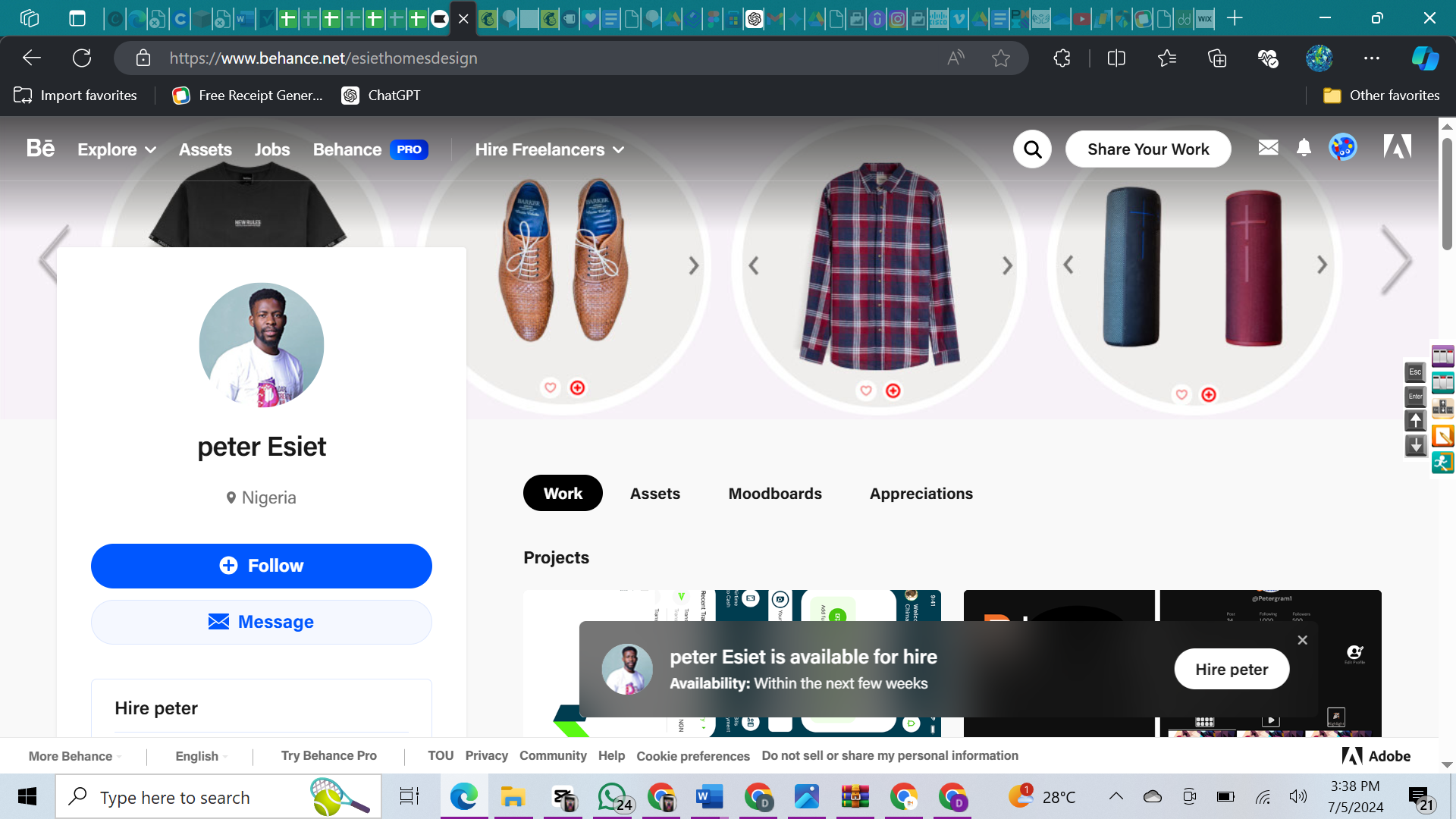
Portfolios are often linked with artists and writers—collections of paintings, photographs, or poems. However, the concept applies to nearly every profession.
At its essence, a portfolio website is a compilation of your finest work: projects that showcase your qualifications, training, and experience, whether a professional model portfolio or something else. For marketing professionals, such a collection is essential for highlighting your specific skills and professional style. With this resource, you can capture the attention of recruiters, secure new job opportunities, and strengthen your credibility in the industry.
Instead of gathering a printed collection of your work, it’s more advantageous these days to create a marketing portfolio website (see best portfolio website builders) and present your portfolio online. Here’s all you need to know about creating a marketing portfolio, including what it should contain and tips for building your own. To streamline the process, we’ve also collected examples of portfolio websites and web portfolios for your inspiration.
A marketing portfolio is a collection of work samples that display a marketer's skills, experience, and accomplishments. It can be used to apply for new jobs, attract new clients, or simply demonstrate one’s expertise in the field.
If you want to showcase your skill set and achievements, creating a portfolio is what you need, when paired with a strong resume, it can significantly boost your career.
While a resume tells what you do, a portfolio shows how you do it. This makes your experience more compelling to job recruiters or prospective clients. Think about it: people are more likely to show interest in your work if you provide evidence of your achievements. Whether your marketing specialty is SEO, advertising, social media marketing, or any other online or offline marketing, showcase it with your portfolio.
Additionally, a marketing portfolio inspires those who might want to work with you. When presented with compelling examples of your work, your audience can better envision the kinds of projects you’ll create for them.
Lastly, putting your professional portfolio online helps establish your authority in the industry. Building your online presence enhances your credibility in your field. It also makes it much easier for people to find and contact you for professional opportunities.
As you assemble your marketing portfolio, here’s a checklist of essential elements:
Now that you know what to include in your portfolio, it’s time to put it all together. Here’s how to build a marketing portfolio that presents your work in the best light and captures your audience’s attention:
Displaying your work portfolio online makes you appear more professional, showing potential employers that you’re serious about your career. By creating a website for your marketing portfolio, you make it easy for clients and recruiters to find you and present your work to the public.
A convenient way to start your online portfolio is by creating a website using Wix. The entire process of learning how to build a website, from inception to publication, is free, with a wide selection of portfolio templates that you can customize. Wix also offers AI-powered portfolio tools, including an AI website builder and tools for auto-arranging your photos into projects.
Building a portfolio with Wix includes a domain name, secure web hosting, and a robust security infrastructure.
As you build your professional portfolio website, remember that the homepage often forms your audience’s first impression of your personal brand. To perfect your homepage web design (first of all, check out these web design portfolio examples), make it clear what you’re about from the beginning. Introduce your site and yourself with a concise statement explaining your professional activities and goals.
Make the homepage visually appealing and easy to navigate. Avoid cluttering the page with loud images or long text blocks. Your goal is to direct visitors to other areas of your site, so provide clear links to your portfolio page and work samples.
Include enticing calls-to-action (CTAs) near the top of the homepage. Clickable buttons like “Contact me” or “Start now” can bring visitors closer to working with you.
Don’t forget to include an About page. This is where you can place your professional bio, resume, and links to your LinkedIn page and other relevant social media profiles.
This page should summarize your professional experience and highlight your achievements, setting you apart from others in the field. Explain how you got to where you are today and the purpose behind your work.
Include a handful of customer testimonials to add credibility to your claims and demonstrate that you stand behind your professional values.
Here comes the core of your marketing portfolio: your work samples. Create a separate page titled Portfolio or Work to present your most successful projects.
You’ll likely have several projects to choose from. Rather than showcase all of them, carefully select the ones that best represent your capabilities. Quality is better than quantity here. An in-depth analysis of a few projects is more compelling than a minimal commentary on many.
If you’re unsure which samples to include, consider the following:
Don’t just tell your audience how great your work is—show them. Adding testimonials to your marketing portfolio is one of the best ways to boost credibility and create a strong impression on potential clients and employers.
Gather reviews from past clients or employers that emphasize your skills, accomplishments, and work ethic. Reach out to them directly and request a short testimonial, or quote positive comments from previous communications (with their permission).
Place the testimonials next to the related work samples on your portfolio page or create a separate Testimonials page.
Your portfolio should grow and evolve alongside your career. Whenever you complete a new project, update your portfolio with the latest samples, metrics, and testimonials.
Regular updates show potential clients and employers that you’re active in your field and consistently producing high-quality work.
Creating a marketing portfolio is a valuable step in advancing your career. You can attract new opportunities by showcasing your best work, establish your authority in the field, and inspiring others to collaborate with you.
With the right online platform and a clear strategy, you can build a portfolio that presents your skills and achievements in the best possible light. Follow the steps outlined above to create a compelling marketing portfolio and set yourself up for success in the competitive marketing world.
Jul 05, 2024



Jul 10, 2024
Jul 10, 2024


Jun 06, 2024

Oct 03, 2024

Jun 12, 2024


Apr 22, 2024


Jul 03, 2025

Karu Abuja: No 1, Carpenter Plaza, Court road, Karu, Ado 900110, Federal Capital Territory.
And Bwari Abuja: 53 Law School Road Bwari
© 2025 Darl Creative Hub Academy
Ask me anything about our courses