
Creating a marketing portfolio: tips and examples
Jul 05, 2024
Reading Time: 25 minutes
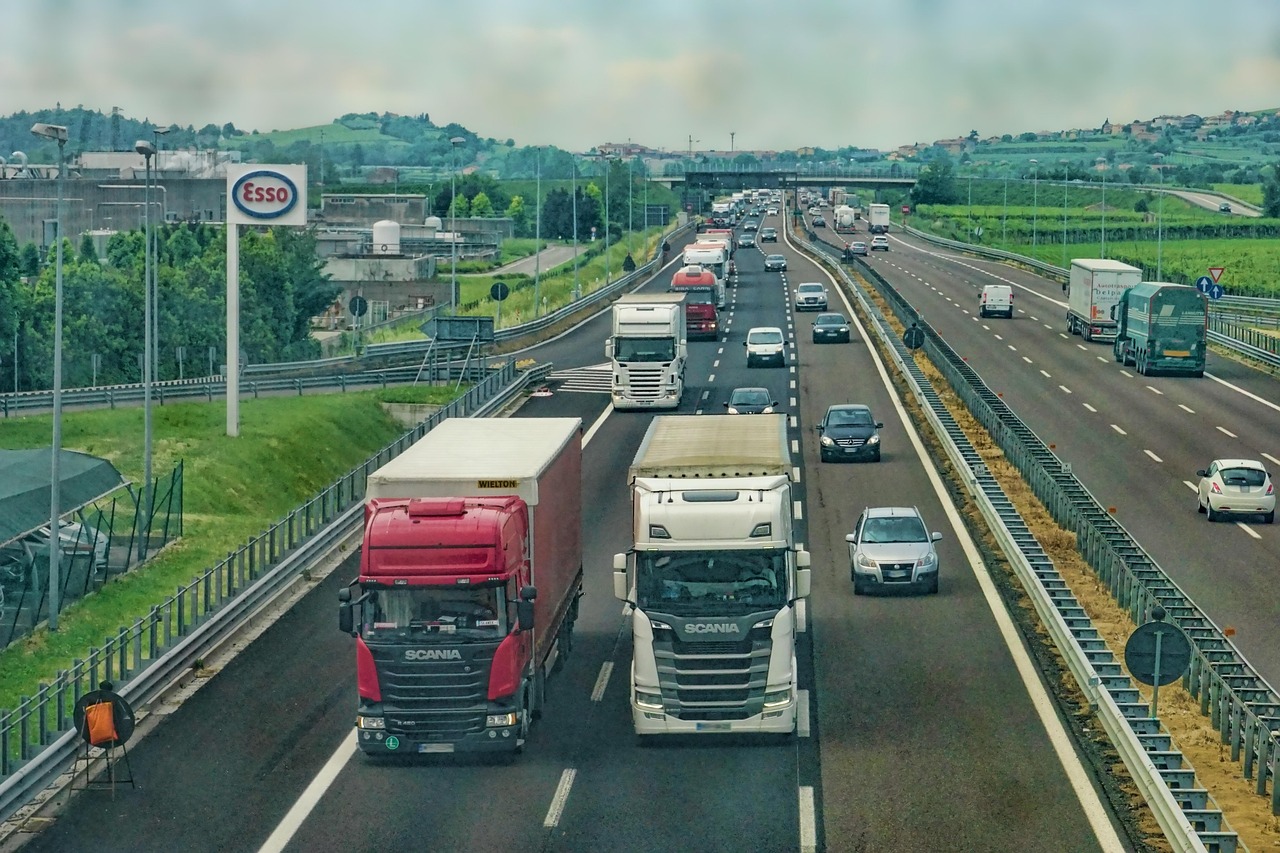
More than 70% of all freight in the United States is moved by the trucking industry. While much of the focus is on the drivers behind the wheel, an entire logistical operation ensures that trucks stay loaded, moving, and compliant with regulations. At the center of this logistics system are truck dispatchers, key players in the supply chain who are responsible for connecting drivers with freight, optimizing routes, and managing administrative tasks.
Truck dispatching is an important logistics component. It catalyzes efficient coordination between carriers, brokers, and shippers. Without it, drivers would face extended downtime searching for loads, navigating road conditions, and handling paperwork, all tasks that would reduce profitability and disrupt movement. But what exactly does a truck dispatcher do, and how do they contribute to the transportation industry?
A truck dispatcher handles administrative tasks designed to reduce the burden on the frontline. They are the direct liaison between carriers and freight sources, ensuring drivers are assigned profitable loads while maintaining legal compliance and operational efficiency. Dispatchers are responsible for a variety of duties, including:
• Locating and securing freight through load boards, brokers, or direct shippers.
• Assigning loads to drivers based on availability, location, and capacity.
• Optimizing and planning routes to reduce wasted miles and increase productivity.
• Monitoring driver progress and adjusting schedules in response to delays or road conditions.
• Ensuring smooth coordination by managing communication between drivers, brokers, and shippers.
• Handling administrative duties such as invoicing, record-keeping, and compliance with federal regulations.
Unlike freight brokers, who act as intermediaries between shippers and carriers for margins, truck dispatchers work directly for the carrier. Their primary goal is to support trucking companies and owner-operators by securing high-quality loads and managing logistics to optimize earnings and efficiency.
How Do Truck Dispatching Services Work?
Dispatching services function as an outsourced logistics and operations department for carriers, particularly for independent owner-operators who lack the time, knowledge, or resources to manage freight sourcing and administrative tasks. A dispatcher’s primary function is to locate and book freight on behalf of the driver while providing real-time support and ensuring compliance with regulations like the FMCSA’s Hours of Service (HOS) rules.
Truck dispatchers use technology such as load boards and Transportation Management Systems (TMS) like Truckstop, DAT, Revenova, Ascend, or MercuryGate to find and track available shipments and match them to drivers. These digital platforms enable dispatchers to monitor truck locations, estimate arrival times, and relay important updates to shippers and receivers. This oversight ensures that deliveries remain on schedule, reducing downtime and increasing profitability for drivers and trucking companies.
Finding freight is the most important task a dispatcher takes on. They use several methods to secure loads for their drivers, including:
• Load boards: Online marketplaces where shippers and brokers post available freight.
• Freight brokers: Established intermediaries that negotiate freight rates between carriers and shippers.
• Direct shippers: Companies that work directly with trucking businesses to move their product.
• Industry networks: Connections with manufacturers, warehouses, and other logistics professionals.
Dispatchers can target high-quality loads that maximize earnings while reducing empty miles by understanding a carrier’s needs, equipment, and preferred lanes. Unlike self-dispatch drivers, professional dispatchers often have the time and expertise to secure better-paying loads faster.
Truck Dispatching vs. Freight Forwarding While dispatchers and freight brokers play essential roles in the movement of freight, their functions differ in many ways. Freight brokers negotiate rates between shippers and carriers, earning a profit by securing a lower rate from the carrier than the shipper is willing to pay. They are legally required to hold a freight broker authority from FMCSA and maintain a surety bond of $75,000 to operate.
In contrast, dispatchers only work for carriers and do not set freight rates. They focus on supporting trucking businesses by handling logistics, booking loads, and managing back-office functions such as compliance and billing. This distinction is important, as some operators pose as dispatchers while engaging in broker-like behavior without proper licensing. The FMCSA has guided the difference between brokers and dispatchers.
Managing the business side of trucking can be overwhelming for many owner-operators. Dispatching services offer a range of benefits, including:
• Time savings: Instead of spending hours searching for loads, drivers can focus on delivering freight while their dispatcher secures new shipments, reducing driver distraction.
• Higher earnings: Professional dispatchers often have better negotiation skills and industry knowledge, helping drivers secure better-paying loads.
• Reduced downtime: Pre-planned routes and scheduled loads mean drivers wait less for their next shipment.
• Compliance support: Dispatchers help drivers stay on top of regulatory requirements, preventing violations that could impact safety ratings and insurance costs.
• Administrative assistance: From invoicing to record-keeping, dispatchers handle the paperwork so drivers can focus on the road.
While some owner-operators prefer to self-dispatch, working with a dedicated dispatcher can significantly improve efficiency and profitability. It also helps add human resources without the responsibility, liability, and tax burden of a full-time employee.
Despite its benefits, truck dispatching has its own set of challenges. Dispatchers have to navigate fluctuating freight rates, market volatility, and unexpected disruptions such as weather delays or mechanical breakdowns. The role requires good communication skills, as dispatchers must coordinate with multiple parties, including drivers, shippers, brokers, and law enforcement when necessary.
Dispatchers must stay current with transportation regulations to ensure compliance with federal and state laws. Violations, such as exceeding HOS limits or failing to meet safety requirements, can lead to hefty fines or even the suspension of a carrier’s operating authority.
Outsourcing dispatching can be a smart investment for small trucking companies and independent owner-operators. While dispatching services typically charge a percentage of the gross load revenue (usually 5-10%), the time savings and increased earnings potential often justify the cost.
However, carriers must vet dispatching services just like any other vendor. Some dispatchers operate a little underboard or ethically, as some might describe it. It's a problem when they charge too much for their services or don't give real value. A reputable dispatcher should offer transparency, industry knowledge, and a track record of securing value in the loads they find for the truck.
As technology evolves, truck dispatching is becoming increasingly automated. AI-powered logistics software streamlines freight matching, predictive analytics improve route optimization, and electronic logging devices (ELDs) simplify compliance tracking. While automation reduces dispatchers’ workload, the human element is important, particularly when managing unexpected issues or typical supply chain chaos.
With a shift in the downturn on the horizon, the trucking industry is poised for growth, and dispatching will remain a fundamental component of freight. Whether working in-house for a carrier or as an independent provider, dispatchers play an important role in ensuring the smooth movement of freight across the country.
Truck dispatching is complex and high-stakes, but it keeps the industry running efficiently. Whether handling compliance, optimizing routes, or negotiating rates, dispatchers are indispensable to the supply chain. For carriers looking to maximize profitability while reducing operational stress, a well-managed dispatching service can be the difference between struggling to find freight and running a thriving business.
Understanding the nuances of dispatching and its role in trucking, carriers and drivers can make informed decisions about whether to self-dispatch, hire an in-house dispatcher, or outsource to a service. Regardless of the approach, effective dispatching is a must in a well-managed fleet.
The freight and logistics industry in the United States relies heavily on truck dispatchers. They are the professionals who coordinate trucking operations to ensure goods move efficiently across the country. This article provides a comprehensive overview of the truck dispatching career in the United States, including what dispatchers do, how to become one, training and certification options, career progression, salary expectations, and emerging trends shaping the field. The focus is solely on truck/freight dispatching in the U.S., with practical insights for anyone interested in this career path.
A truck dispatcher’s primary responsibility is managing and scheduling freight transportation. They act as the liaison between trucking companies (or carriers), drivers, and customers to ensure deliveries happen on time and without issues. Indeed.com routeonedispatch.com. In practice, this means a dispatcher handles a wide range of coordination tasks each day.
A truck dispatcher’s main job is to plan and manage the movement of goods by truck. They connect trucking companies, drivers, and customers to make sure deliveries are made on time and without problems. Each day, dispatchers handle many tasks to keep things running smoothly.
Here are the key things a truck dispatcher does:
Planning Routes and Schedules:
Dispatchers plan where and when drivers should pick up and deliver goods. They use special websites and software to find loads and assign them to the right drivers. They also make sure the routes are safe and efficient, considering distance, fuel, and special cargo needs.
Talking to Drivers and Customers:
Dispatchers are the main contact for both drivers and customers. Drivers call them for updates or help on the road, and customers contact them with questions about deliveries. Dispatchers keep everyone updated and handle changes or problems in delivery plans.
Keeping Records:
Dispatchers keep track of all shipments, driver hours, and truck locations. They update this information using dispatch software. They also make sure drivers follow safety rules and government regulations by reviewing driver logs.
Finding and Negotiating Loads:
Dispatchers help find goods for their company’s trucks to carry. They look on load boards and contact brokers or shippers. They also negotiate prices and delivery times to make sure the company earns a profit and the customer is happy. (Note: Unlike freight brokers who work independently, dispatchers work directly for a trucking company.)
Solving Problems Quickly:
If something goes wrong—like traffic, bad weather, or a truck breaking down—dispatchers step in to fix it. They may reroute a truck, reschedule a delivery, or send help. They must stay calm and think fast to keep goods moving and drivers safe.
Reporting to Managers:
Dispatchers share updates and performance reports with their bosses. They might suggest ways to improve delivery times or save fuel. This helps the company make better decisions and manage the fleet more effectively.
In summary, truck dispatchers play a vital role in the trucking industry. They organize schedules, solve problems, and keep communication flowing so that trucks, drivers, and loads all work together smoothly every day.
You don’t need a college degree to become a truck dispatcher. Most people start with just a high school diploma or GED. If you know a bit about the trucking world or have good office skills, you can get into this career easily. However, more education can help you grow faster. Here’s a breakdown:
High School Diploma or GED
This is usually all you need to get started. Classes in math and English are helpful because they improve your communication, organization, and basic accounting skills.
Associate Degree (Optional)
Some people choose to study further by getting a two-year degree in logistics, transportation, or supply chain management. This can help you understand how the business works and may help you earn more or get promoted.
Internships or Related Work Experience
Real-world experience is very valuable. Internships or jobs in shipping offices, as a trucking company clerk, or helping drivers can teach you how the dispatch process works. Employers like people with hands-on experience.
On-the-Job Training
Most dispatchers learn on the job. When you’re hired as a junior dispatcher, the company will train you on their software, policies, and routes. Usually, you’ll be paired with a more experienced dispatcher during your first few months.
Being a dispatcher means using both people skills and tech skills. Below are the most important abilities for the job:
Time Management & Organization
You’ll manage many deliveries and timelines, so it’s important to plan routes and adjust quickly if there are delays.
Communication Skills
You’ll talk to drivers, customers, and brokers every day. You need to speak, listen well, stay calm under pressure, and handle different personalities professionally.
Tech Skills
Dispatchers use digital maps, GPS, and dispatch software every day. Being comfortable with computers and learning new tools quickly is a big plus.
Problem-Solving & Decision-Making
Things like traffic jams, bad weather, or truck breakdowns happen. You’ll need to think fast, stay calm, and find smart solutions.
Flexibility & Stress Management
Trucking runs 24/7. You might work irregular hours and need to handle emergencies or last-minute changes. Staying calm, flexible, and focused helps you succeed in the long run.
Understanding of the Trucking Industry
It also helps to know the basics of:
You can learn dispatching on the job, but many people take training courses to get ahead. These courses teach you important things like how to find freight, use dispatch software, and understand trucking rules. You can find both online and in-person programs.
Online Courses
There are many online classes for truck dispatching. Some are free, while others are paid. These courses are great because you can learn at your speed, from home. Good programs often include:
Look for online courses from trusted schools or logistics companies, DCHA, or Darl Transport and Logistics, to get the best training.
Examples of Training Programs: There are many
organizations and private companies in Nigeria, and the U.S. that provide dispatcher
education. A few examples include:
In Nigeria
When evaluating any training program, consider the
curriculum depth and reviews from past students. The goal is to gain practical
knowledge—such as understanding freight tariffs, map reading, or how to handle
carrier–broker agreements—that will directly apply to the job.
Finally, remember that while training is helpful, experience is often the best teacher. A combination of formal training and real-world practice (even if it’s just shadowing an experienced dispatcher for a while) will best prepare you for the demands of truck dispatching.
In contrast to certain occupations, truck dispatching does not necessitate a license or certification in order to operate. Unlike commercial drivers, who require a CDL, or freight brokers, who require an FMCSA license, freight dispatchers do not have their own government-issued dispatcher license. This position "requires no licensure or certification" by law, according to career guides on Indeed.com. In general, employers are more interested in your experience and abilities than in a particular certification.
Nonetheless, potential dispatchers have the option to obtain optional certifications and credentials. In addition to showcasing your professional expertise and improving your resume, these industry-recognized certifications can occasionally result in increased compensation. The following credentials and certification options are pertinent to truck dispatching:
In conclusion, certifications are advantageous but optional. They can offer organized instruction as well as a means of skill validation. Obtaining certification (either through a reputable course or an organization like NPTA or NDFCA) can give you an advantage if you are new to the field or looking to progress. Just keep in mind that certification is a supplement to practical experience; most employers will appreciate a combination of your demonstrated experience, reliable references, and any additional credentials you may have.
It's also typical for people to switch from other trucking jobs to dispatching. You may be a very appealing candidate if you have previous experience in the transportation sector. One can gain important background knowledge by working for a trucking company as a truck driver, logistics coordinator, shipping/receiving clerk, or even in customer service (freightbrokerscourse.com). Due to their first-hand knowledge of routes, driver requirements, and industry regulations, former truck drivers frequently go on to become dispatchers. In a similar vein, someone who has experience as a load planner or in a warehouse knows how freight is planned and transported. These experiences aid in the efficient execution of dispatcher duties. Any job that exposed you to scheduling, logistics, or multitasking under pressure will be relevant, even if you haven't worked in trucking before (think of roles like emergency dispatch operator – though a different field, it builds dispatching discipline – or military logistics).
Candidates usually need to demonstrate their dependability, the previously mentioned abilities (communication, organization, and tech aptitude), and a willingness to work irregular hours (since dispatching isn't a 9–5 office job) in order to land an entry-level dispatcher position. Although a high school degree is required, any additional education or certification will help you in your argument. To establish yourself, you might begin working the night shift or managing a small portion of the fleet. New dispatchers typically receive on-the-job training, and as they gain confidence, they progressively take on more trucks or more complicated loads.
• Operations Manager/Dispatch Manager: In larger companies, a dispatch manager may be in charge of the whole dispatcher team. This individual establishes guidelines for the dispatch division, makes sure all routes are covered, and works in tandem with other divisions such as customer service or maintenance. Strong dispatcher performance and strong leadership abilities are usually prerequisites for moving up to the position of dispatch manager. In addition to dispatchers, some dispatch managers are in charge of associated tasks like load planning and driver management. In a similar vein, some businesses employ a Fleet Manager or Operations Manager, who oversees a wider range of trucking operations, including dispatching, routing, driver supervision, compliance, etc. These operational leadership positions can be attained by a seasoned dispatcher with strong managerial abilities. Indeed, being a dispatcher gives you a deep understanding of fleet operations, which is excellent preparation for operations management.
• Specialization or Logistics Coordinator: Using dispatch experience to advance into a more specialized logistics position is an additional option. For example, you could work for a shipper or a 3PL (third-party logistics company) as a logistics coordinator or transportation planner. In those positions, you would design transportation solutions using your dispatching expertise, but you might also work with other carriers and modes of transportation in addition to trucks. Additionally, if a dispatcher demonstrated aptitude in safety compliance (e.g., Hours-of-Service compliance officer) or customer accounts (e.g., managing the logistics needs of a specific large client), they may transition into these roles.
• Mentoring and Training: New dispatch employees can be trained or mentored by seasoned dispatchers. Some might even create training curricula or participate in hiring for the dispatch division of their business. This can be a stepping stone to management and is a means of horizontal advancement, assuming greater responsibility without leaving dispatch.
The dispatching job itself is a great starting point, it should be noted. A dispatcher position "often provides the opportunity of further advancement within trucking companies," according to the Drivewyze career guide. As you build trust with Drivewyze.com, you can even work remotely. After demonstrating their abilities, many dispatchers eventually have the option to work from home or on different schedules.
Others use their experience as dispatchers to enter related industries or even start their own business:
From the standpoint of career longevity, truck dispatching presents steady opportunities. The majority of goods will still be transported on American highways by trucks, which require human coordination. Although hiring may be impacted by freight volume, dispatching is frequently less vulnerable to economic downturns than some other occupations because effective logistics are still essential even during slow periods. Many dispatchers have lengthy careers in the field, constantly picking up new skills and adjusting to changes in the industry. Ambitious people will find ways to advance, and those who discover their calling can pursue dispatching as a career for the rest of their lives.
It's crucial to remember that a number of factors influence salary ranges. Geographical location is important; dispatchers in large distribution centers in states like California, Texas, Illinois, or New Jersey, or major logistics hubs or high-cost cities (like port cities), may make more money than those in rural areas (routeonedispatch.com). The type of freight can also affect compensation, because of the additional complexity and responsibility involved, dispatchers who specialize in hazardous materials or oversized load dispatching may be paid more. routeonedispatch.com
The size of the company also matters; a dispatcher at a large national trucking company may earn more money (and receive better benefits) than one at a small local trucking company (routeonedispatch.com). Additionally, as was previously mentioned, obtaining extra credentials, such as a degree or certification, may put you in a position to receive a raise more quickly or at a slightly higher salary, according to Indeed.com. All things considered, dispatching offers a respectable middle-class salary with room for growth as you advance in your career or acquire more experience.
Employment Prospects: Truck dispatchers have a stable job outlook with room for modest growth. As the economy and e-commerce grow, more loads need to be moved, which typically supports the demand for dispatchers. As a result, the trucking industry continues to grow in terms of freight volume. According to industry experts, the demand for trucking services is expected to increase, creating a large number of job opportunities for truck dispatchers (routeonedispatch.com).
Nevertheless, official forecasts suggest that dispatcher employment will grow steadily rather than rapidly. Over the course of ten years, the U.S. Bureau of Labor Statistics predicts that employment for "dispatchers (apart from police, fire, and ambulance)" will increase by roughly 4%, according to collegegrad.com. Although not growing as quickly as the overall job market, dispatcher jobs are expanding at a rate of about 4%, which is marginally slower than the average growth rate for all occupations. For comparison, this estimate, which was made over a recent ten-year period, corresponds to thousands of new dispatcher jobs across the country. Increases in freight volume are the main driver of the growth, but productivity gains are also a factor (technology enabling each dispatcher to handle more trucks could slow hiring).
Retirements and turnover are additional factors affecting employment prospects. There may be opportunities for new dispatchers as a result of the retirement of many seasoned older employees in the dispatch workforce in the upcoming years. Companies frequently look for new talent to fill positions because it's a demanding job and not everyone stays in it for the long run. This implies that even if the net growth is modest, you should still be able to find opportunities if you have the appropriate skill set and training.
In conclusion, prospective truck dispatchers should anticipate a steady career path. Jobs can be found all over the nation, but particularly in areas where trucking activity is concentrated (close to ports, manufacturing hubs, distribution centers, etc.). Even though the field isn't expanding rapidly, it still plays a vital and long-lasting role in the transportation industry, and the pay is respectable and increases with experience. To maintain the smooth operation of their freight, businesses of all sizes will continue to require competent dispatchers.
• Predictive analytics and artificial intelligence (AI): Expanding upon fundamental automation, AI is beginning to be used in dispatching. Large volumes of data, including maintenance logs, driver behavior, and traffic patterns, can be analyzed by AI-driven systems to assist dispatchers in making better decisions. AI, for instance, can forecast probable equipment failures or maintenance requirements and recommend scheduling trucks for maintenance prior to a breakdown. medium.com. Dispatchers can proactively reroute trucks to prevent delays by using its ability to forecast traffic congestion or weather disruptions, according to medium.com. Some cutting-edge logistics platforms even employ machine learning to forecast supply and demand. For example, they can predict when specific lanes will have excess freight, allowing a dispatcher to proactively position trucks. As AI develops, dispatchers of the future will collaborate with "smart" tools. Individuals who can leverage AI insights will have an edge in making efficient, proactive dispatch decisions.
• Real-Time Tracking and Connectivity: GPS tracking and telematics installed in fleets have made it possible for dispatchers to view the location of every truck in real time. It has become commonplace to expect this real-time visibility. Better customer communication (such as giving real-time updates on a shipment's estimated time of arrival) and speedier problem-solving are made possible by it. Additionally, dispatchers and drivers communicate constantly via in-cab devices, messaging apps, and mobile apps, which enhances responsiveness. In essence, the dispatcher of today is in charge of a network that is interconnected and allows information to move instantly between trucks, offices, and customers. Big data is also fueled by this connectivity; businesses use past delivery and route data to enhance operations in the future.
• Load boards and digital platforms: Most freight and load bookings are now done online. To locate available loads for their trucks, dispatchers commonly use load board platforms (such as DAT, Truckstop.com, etc.). By using algorithms to link shippers and carriers directly, digital freight matching services and apps are increasingly attempting to simplify this process. Because dispatchers frequently interact with these systems, they must be at ease using load booking apps and possibly engaging in digital negotiations. Even though more freight transactions may be automated in the future, dispatchers will still be crucial in finding the right matches and preserving connections.
2. Changes in Logistics and Industry Dynamics: Beyond
pure technology, there are broader trends in trucking and logistics that affect
dispatching:
To sum up, truck dispatching is a profession that combines state-of-the-art technology with conventional logistics expertise. Although dispatchers' core competencies—communication, organization, and problem-solving—will always be in demand, the way they carry out their duties is evolving. Anyone in this field will need to embrace new software, use data and AI, and adjust to changes in the industry (such as the expansion of e-commerce and changes in regulations). The good news is that these innovations are generally enabling dispatchers to be more effective. For instance, they can handle larger operations with ease and be proactive rather than reactive. In the USA, truck dispatching is expected to continue to be a vital occupation that develops in sophistication in tandem with the transportation sector. Dispatchers who remain knowledgeable and technologically adept will benefit from freight movement in America.
Sources:
Jul 05, 2024

Jul 10, 2024
Jul 10, 2024

Jun 06, 2024
Oct 03, 2024

Jun 12, 2024

Apr 22, 2024

Jul 03, 2025

Karu Abuja: No 1, Carpenter Plaza, Court road, Karu, Ado 900110, Federal Capital Territory.
And Bwari Abuja: 53 Law School Road Bwari
© 2025 Darl Creative Hub Academy
Ask me anything about our courses